
Company wasn’t being paid because samples weren’t being returned
Research Question
How do we increase return rates?
Project Context
A health company partnered with an American Midwestern state to offer at-home sexually transmitted infection kits. Their payment from the state was contingent on returned samples.
Majority of samples were not returned, resulting in lost revenue and no reduction in community STI rates.
Approach
Used journey mapping, behavioural models, and secondary research to identify possible barriers in returning samples.
Hypothesis: branded return packaging compromised privacy as the logo potentially revealed sensitive health information, and unbranded boxes would increase return rates.
An experiment was run to determine if unbranded boxes increased return rates.
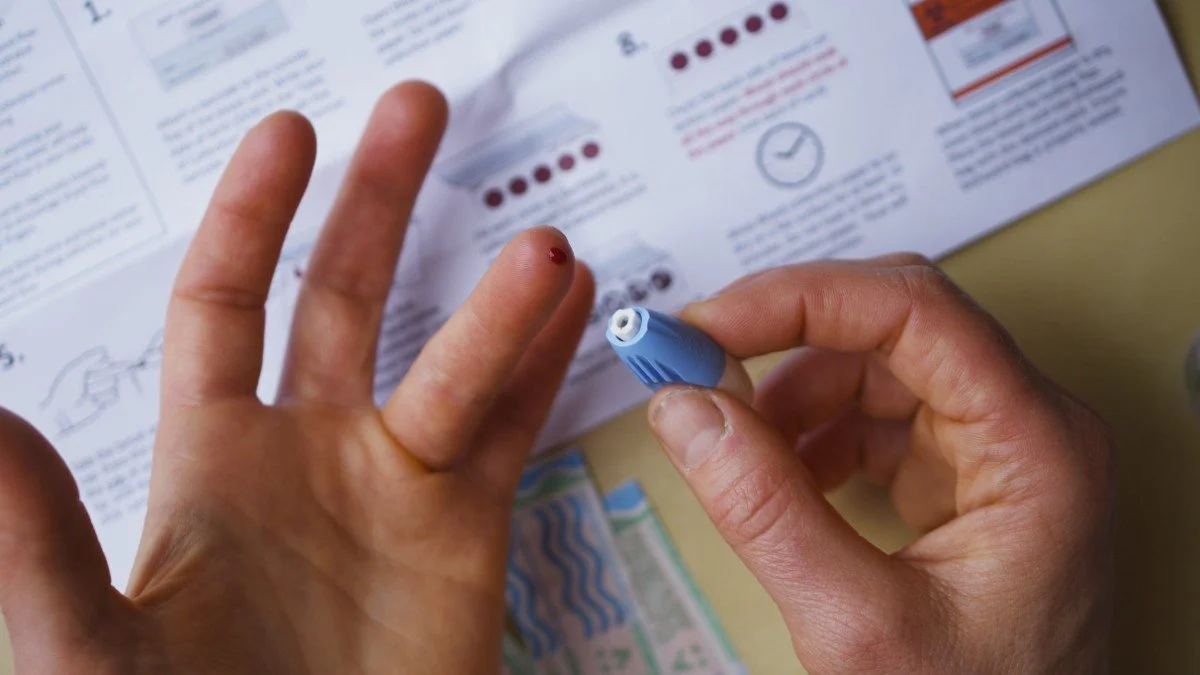
Ran an A/B test on blood collection instructions and instruments.
Impact
The results of the experiment showed a 35% increase in returns and revenue while potentially reducing new STI infections by 0.5–5.0 cases per treated individual. The company changed their return boxes to be plain and unbranded.
The A/B test found that instructions for blood samples were confusing. The instruments were also difficult to use and led to excessive blood loss. The company changed their blood withdrawal instructions and instruments to be easier to use and understand.
“This survey was very interesting and there should be more like this.”
“[This survey] was helpful for me to reflect on why I use different platforms.”
“This survey was thought-provoking about the three platforms.”
- User feedback on this project’s survey